Bergamo Dialogues with Alias SEC-City: in Conversation with Alfredo Häberli
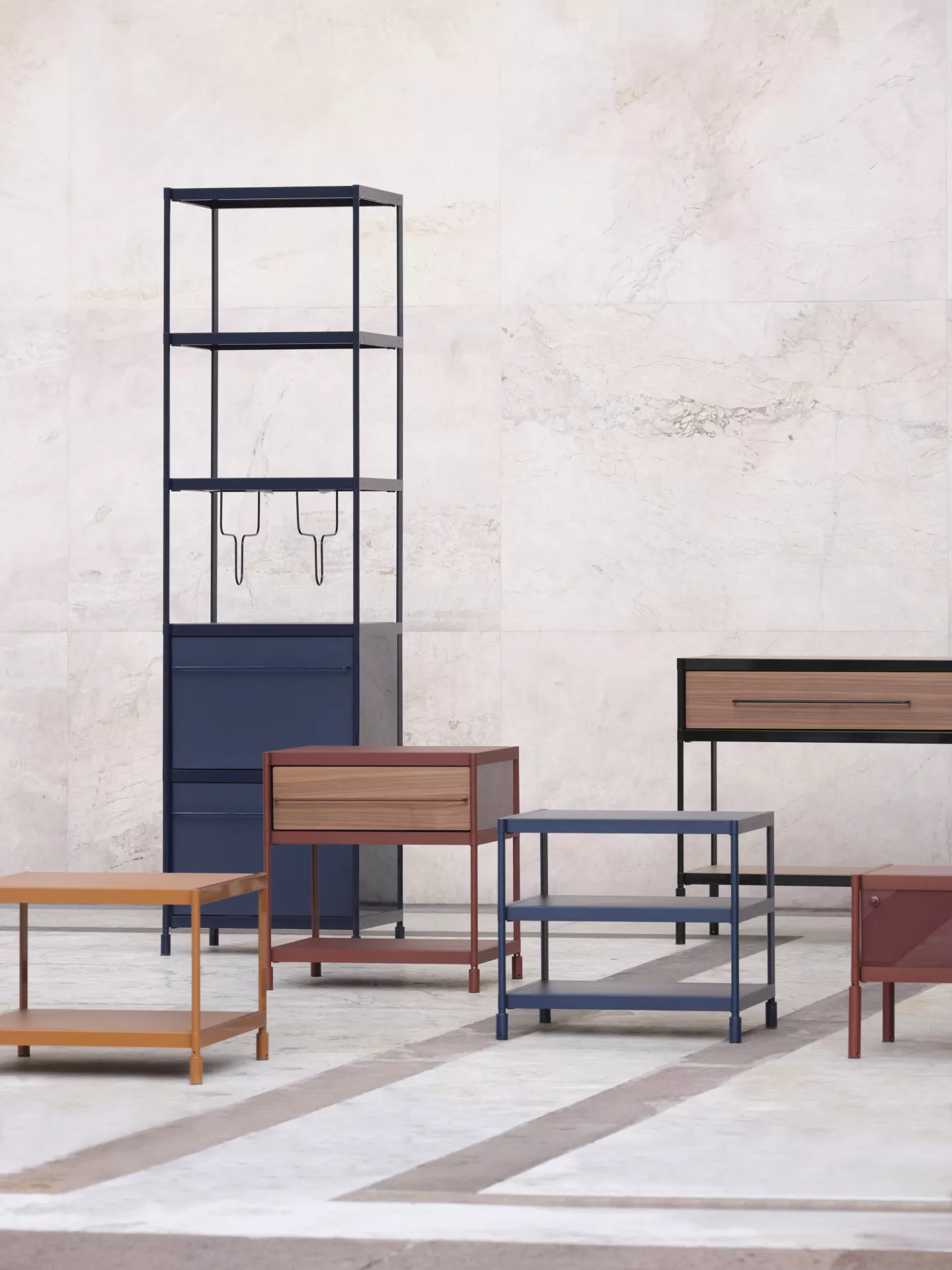
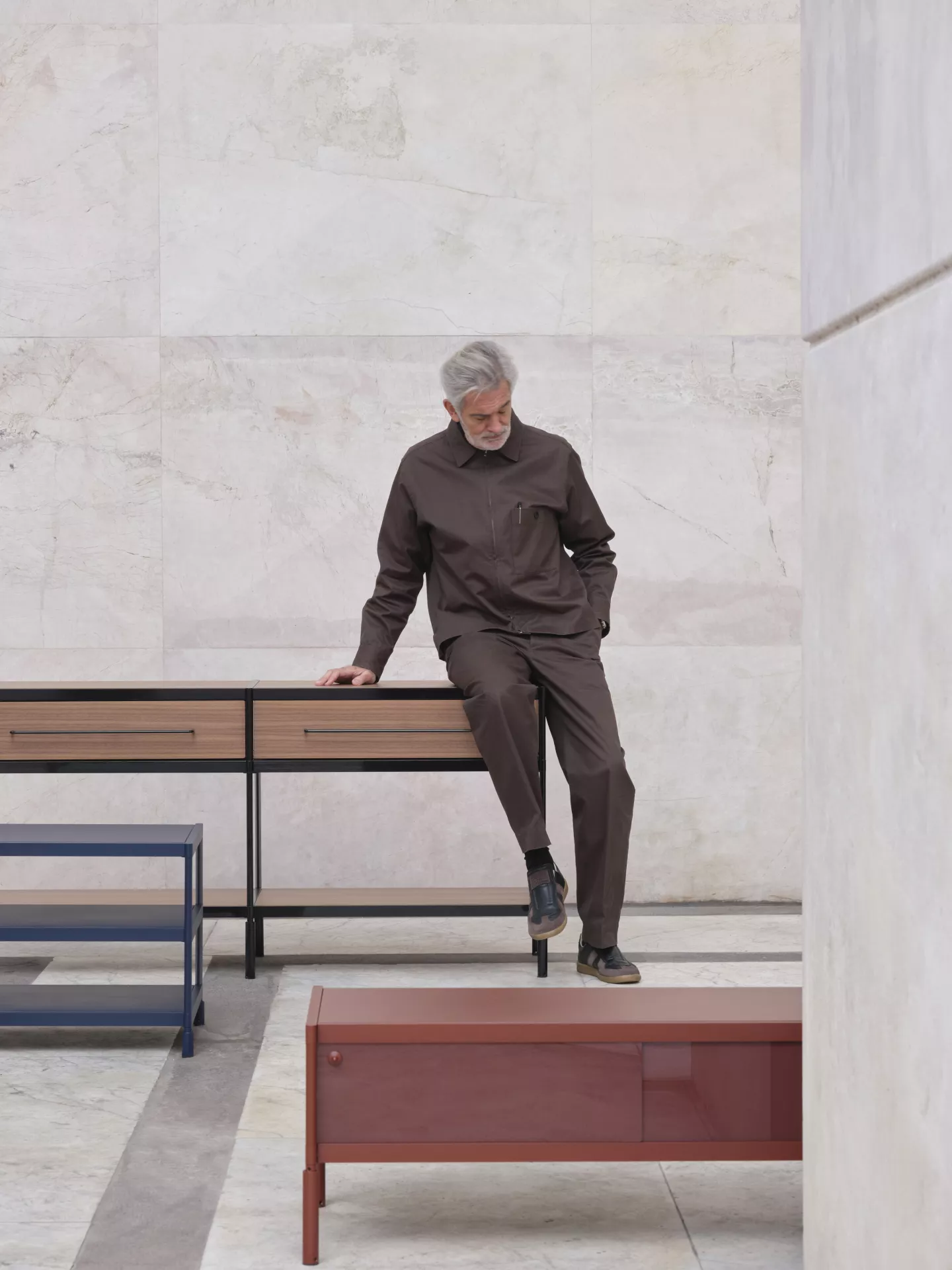
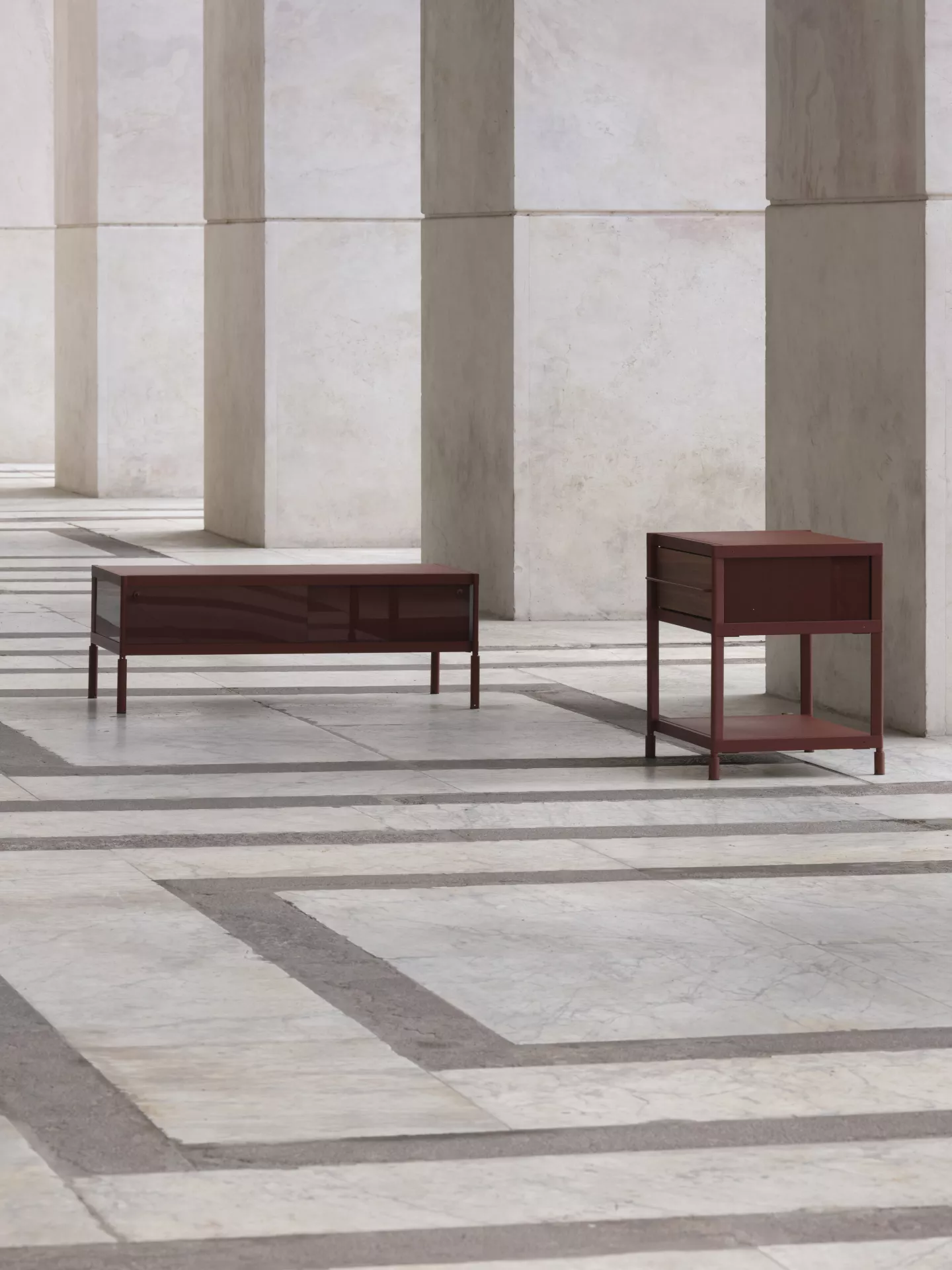
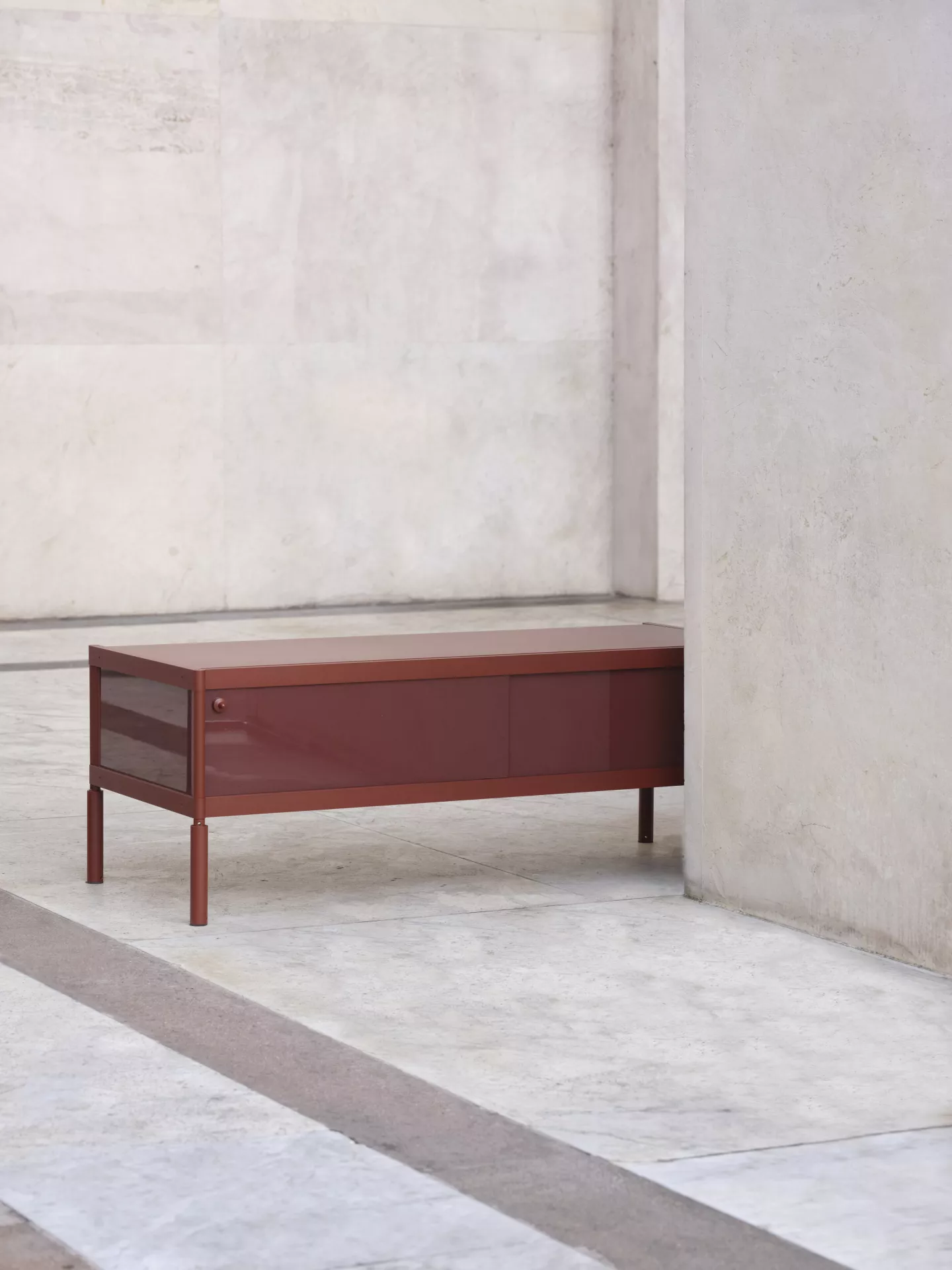
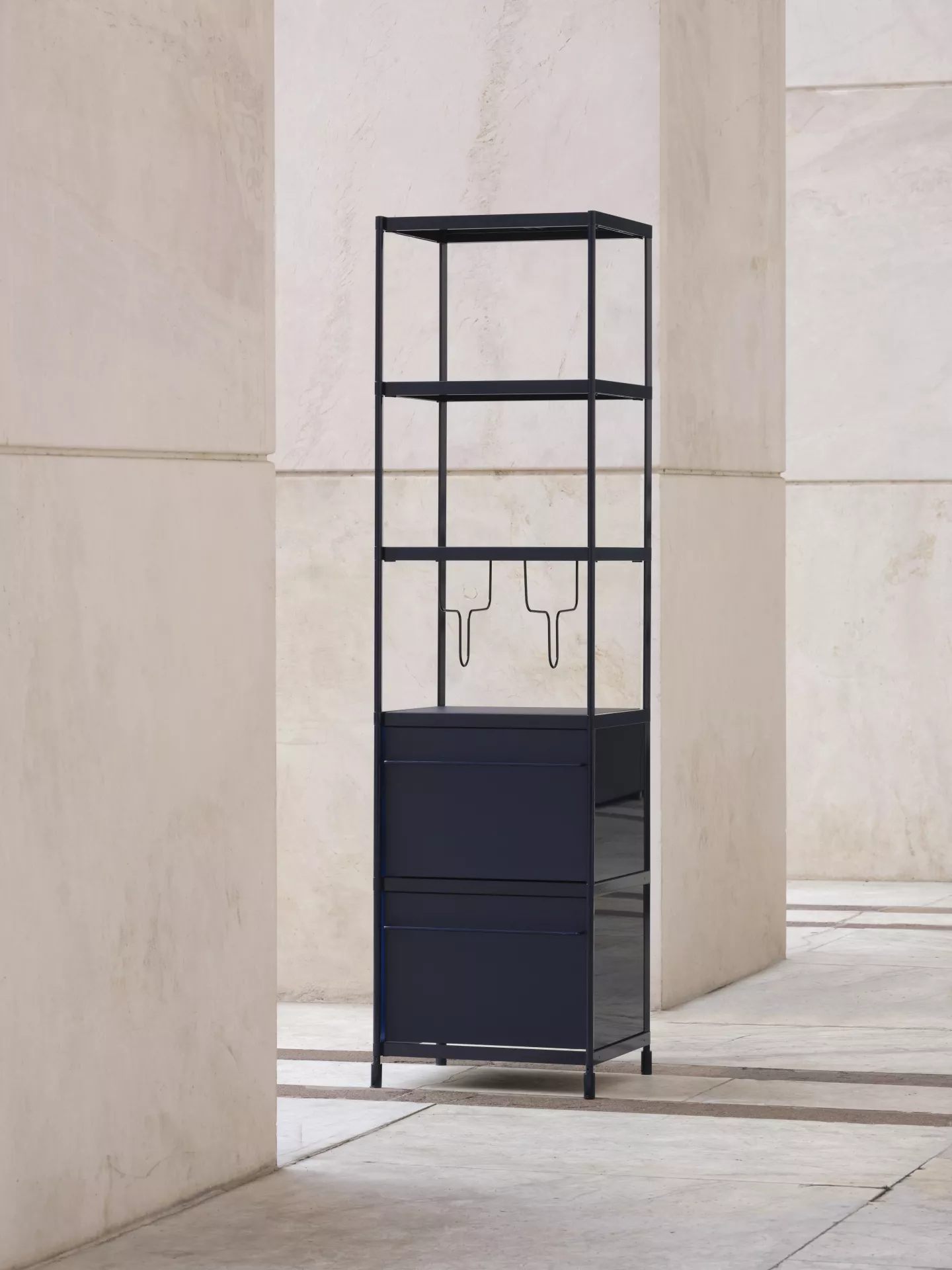
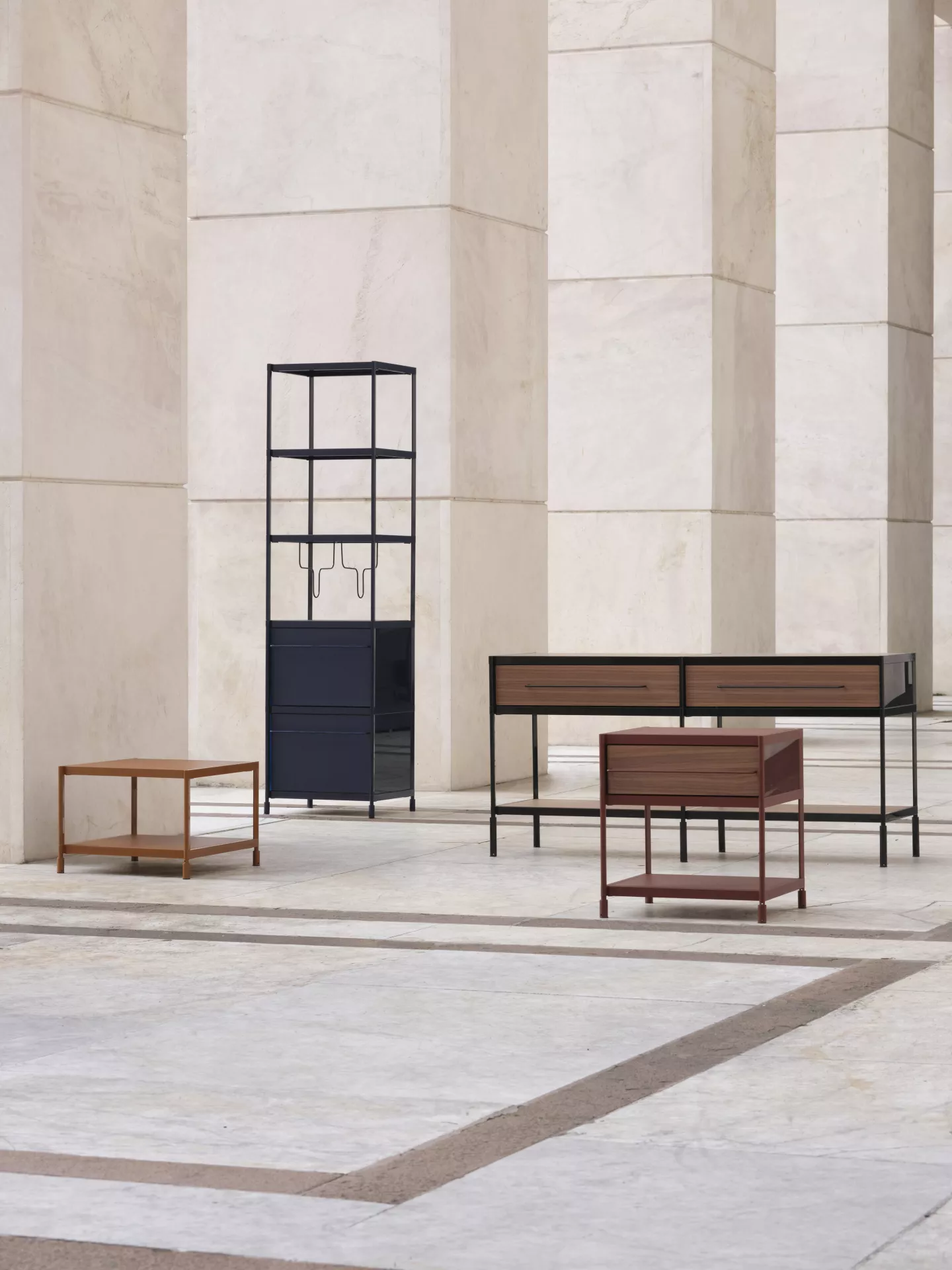
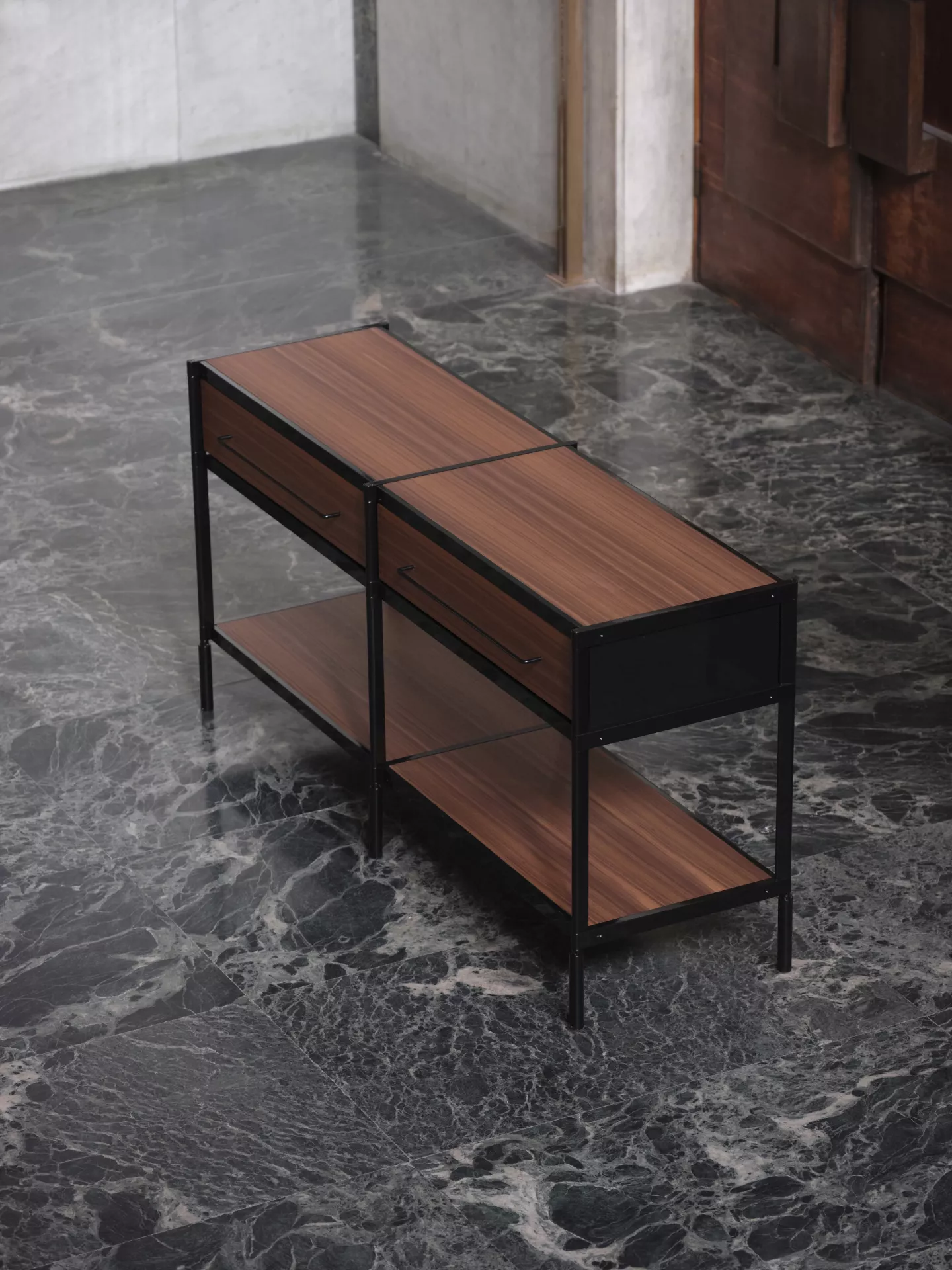
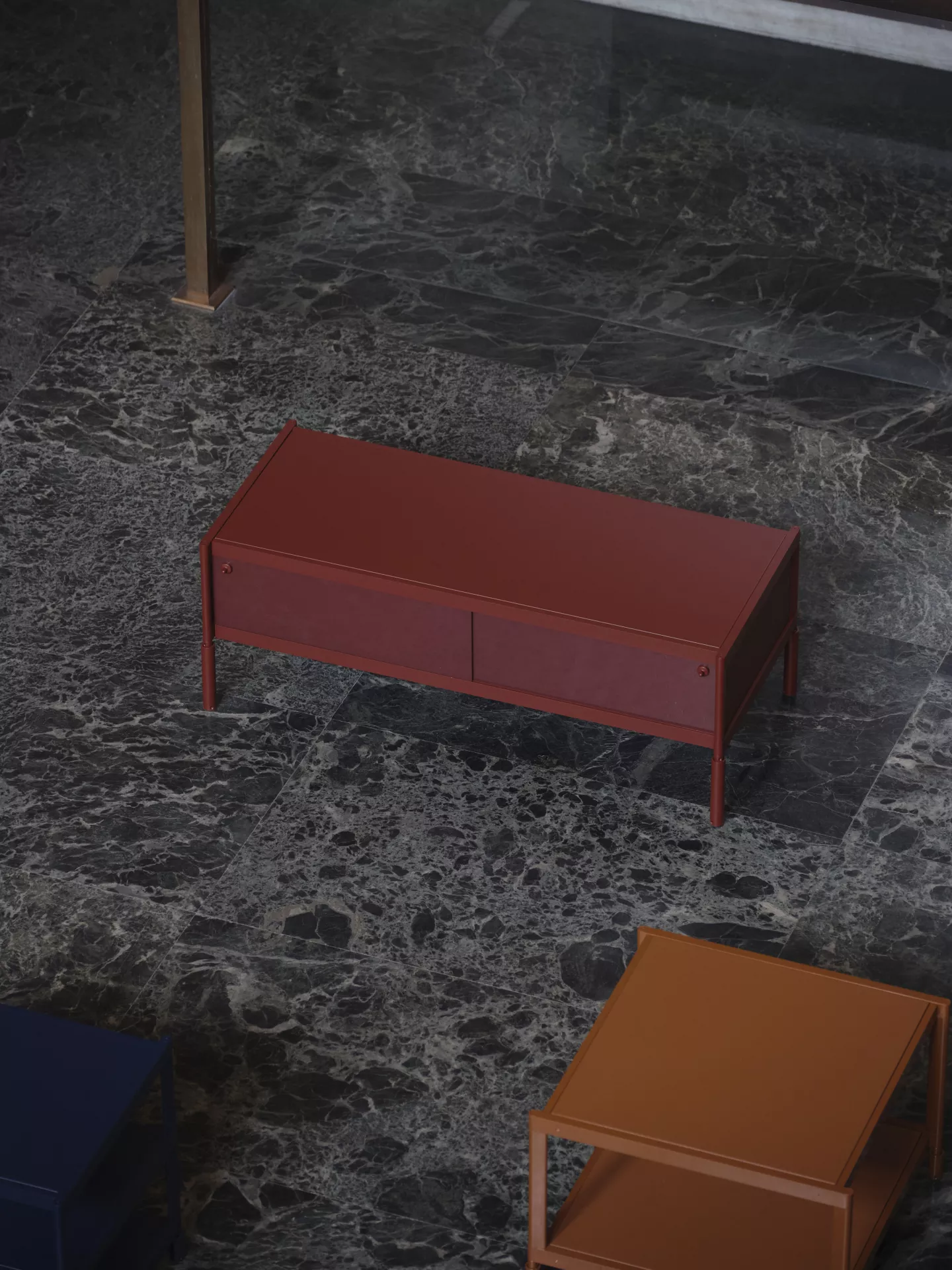
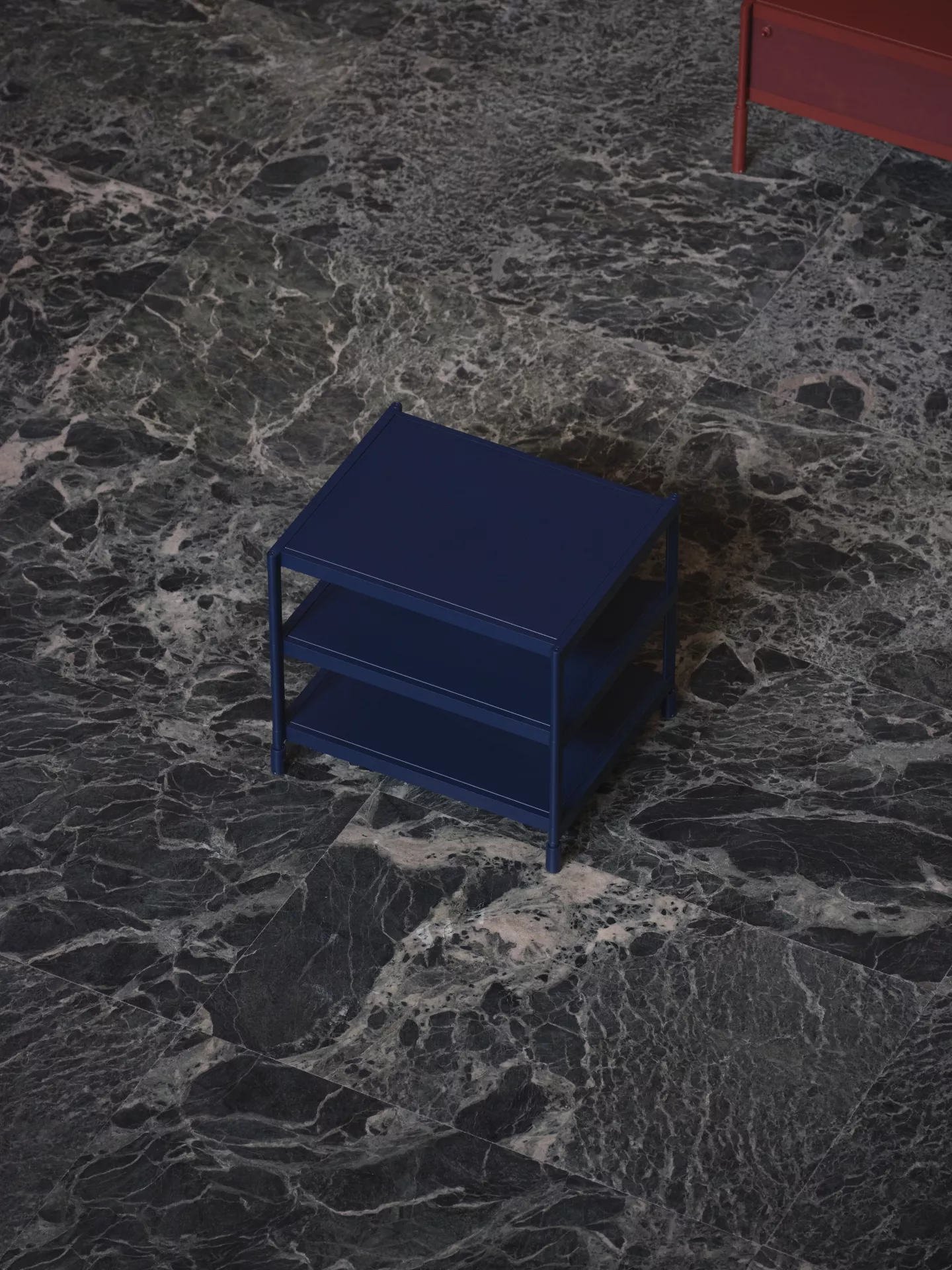
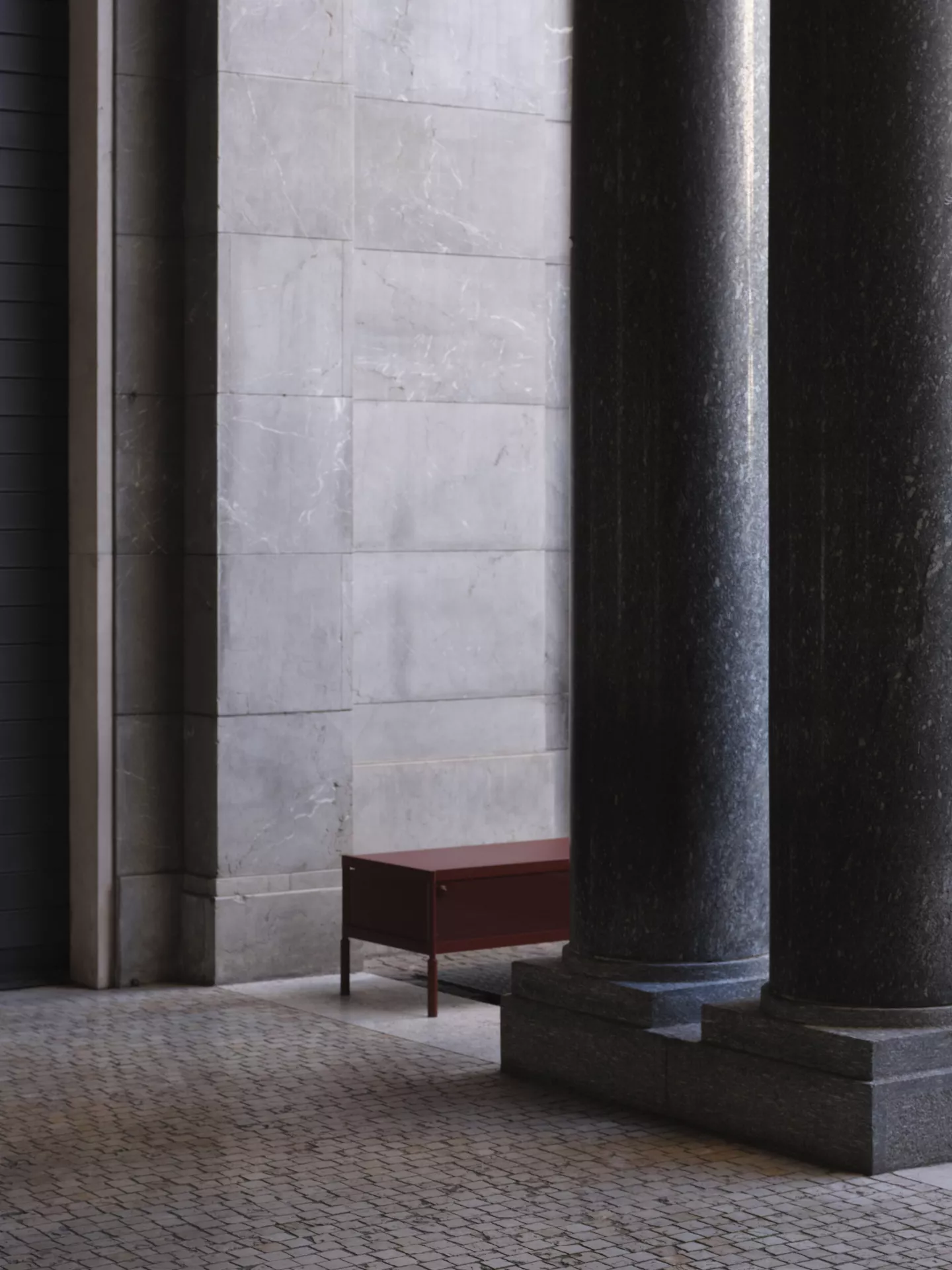
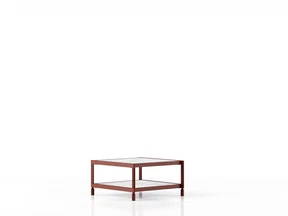
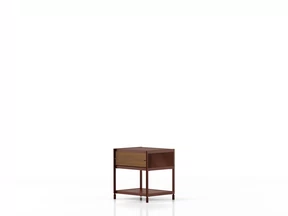
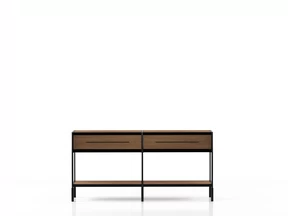
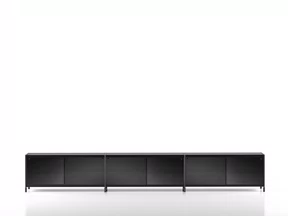
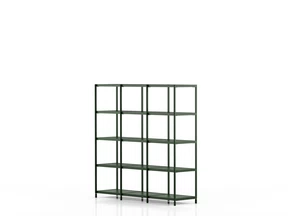
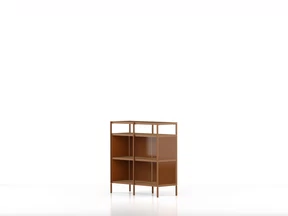
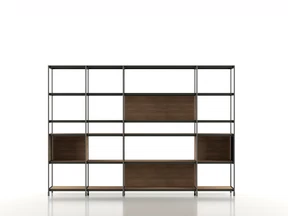
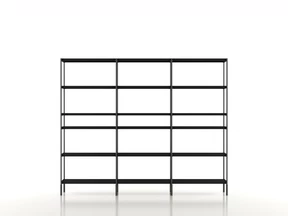
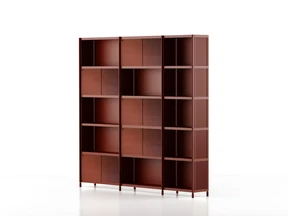
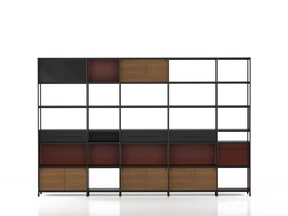
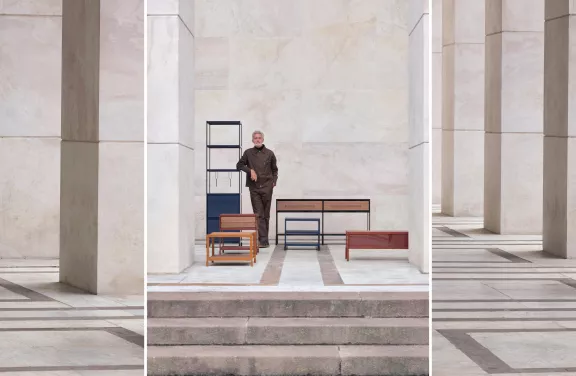
A visual dialogue celebrating the relaunched SEC modular system – originally designed in 1997 by Alfredo Häberli – now reinterpreted throughout the urban memory of Bergamo, the city where Alias was born.
C41: The original SEC system dates back to 1997. How did you approach the idea of re-designing or re-releasing it today?
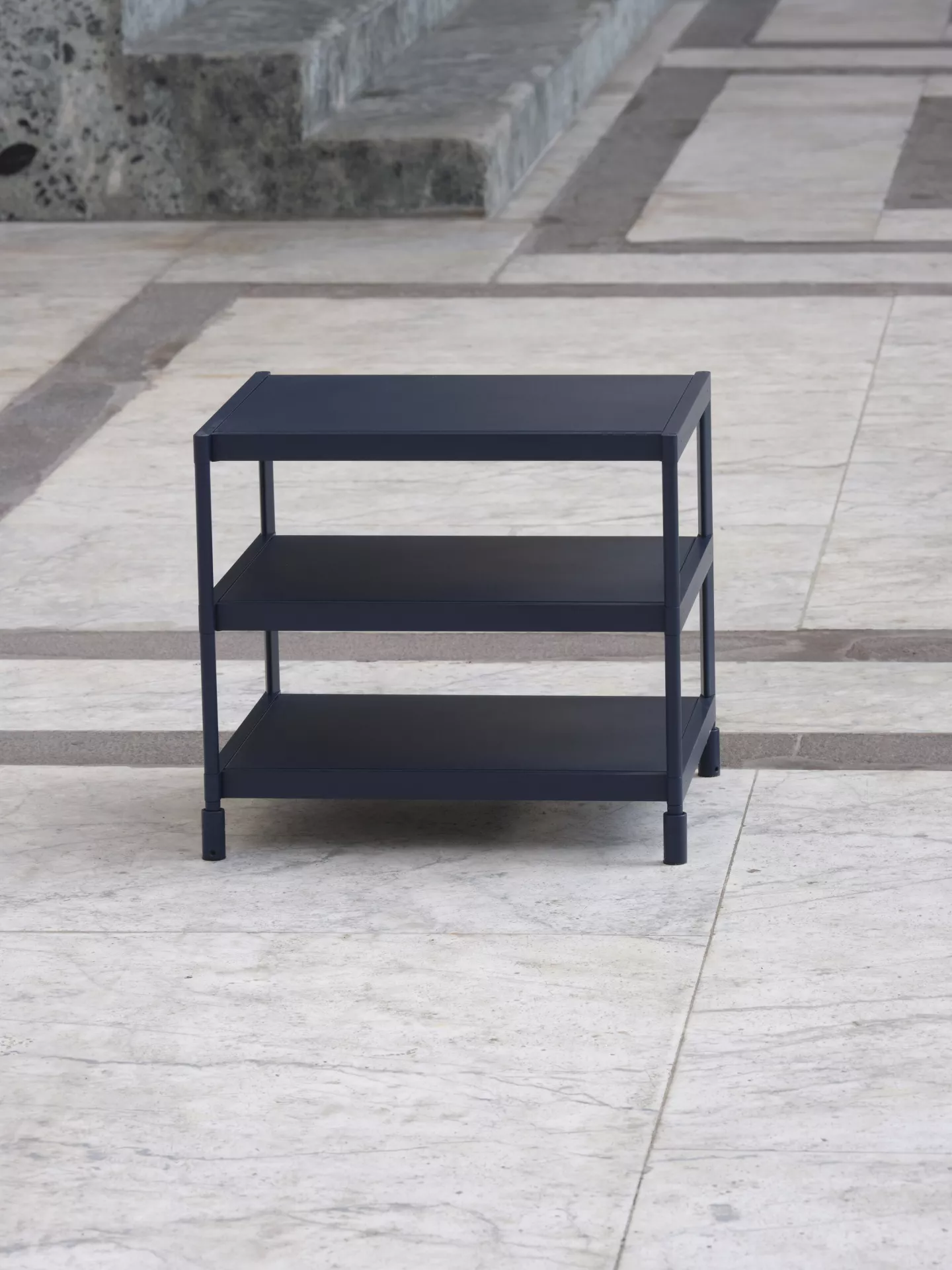
Alfredo Häberli: First of all, SEC is a self-supporting aluminium structure. This is its load-bearing element. Alongside this is a second, more sensory and tangible dimension: the materials that can be touched — drawers, shelves, panels. It is precisely this dual nature that has led to the redesign of SEC: a new vision that reinterprets the system from a different perspective, creating a dialogue between structure and material.
C41: Modular systems today must adapt to highly flexible living and working environments. How do you balance preserving SEC’s original 90s design DNA while evolving it to meet contemporary domestic and professional needs?
AH: The quality of a system, it’s that you can adapt it to every need that you have, and you can also, over the time adapted to it, you can add some elements, you can take away some elements, compose it in a new way. And this is something which makes it extremely modern and contemporary.
C41: So do you feel like SEC has always been modern and contemporary?
AH: Yes, because for me it is very important not to follow trends. I observe them and I am aware of them, but the design must always be one step ahead — three, four, even five years ahead. That's why chasing trends makes no sense. This is also why SEC, almost thirty years after its creation, continues to be relevant, remaining in production and in the catalogue.
C41: The concept statement notes: “Technology and new materials… a paradox: the more complex the technology, the better suited to produce simple objects for everyday use…” How does this paradox manifest in SEC?
AH: For me, it’s not really a paradox, because using technology offered me a lot of possibilities, but I don’t have to talk about the technology that I use. It’s more invisible. So that’s why it’s not a paradox for me. Yes.
C41: In your view, what makes a design truly “timeless” — and how do you decide when an idea deserves to become part of a long-lasting cultural landscape?
AH: A product is difficult to design timeless. If you don’t follow with trends, then it’s neutral. And for me, a design object has to stay in different spaces. It has to adapt themselves in different ways, in and this makes maybe a product timeless, but I think over the year it will come out if a product is timeless or not or not, you will always recognize a little bit when it was done because it’s part of our history, because of technologies, because what the color that maybe you use, whatever. So it will show a little bit of the contemporary moment that it was designed, but over the decades, can be that it is timeless then or like kind of a modern classic at the end. And this is always nice.
C41: Do you feel like that timelessness has been achieved with SEC?
AH: I think it has aged well, in a positive sense. How can I put it? It has aged very well. And I am very proud that it is still in production. That really says a lot. But it also says a lot about the company, because today we use new colours, new materials, we have adapted to the times and, in a sense, it's like a new product, because it looks very different, but it's still the same architecture, the same technique and the same proportions of the same elements. But simply by adding warm colours and materials, it has changed completely and it's great because it's very versatile.
C41: How did you decide on the new colors and how does it feel to see your products in these new colors?
AH: The choice of new colours is made as part of a process shared with the company and concerns the entire collection, not just SEC. We discuss together which colours to propose for the coming years and work together on this vision. It is never my decision alone: my contribution is part of a broader discussion that also involves other products and projects by different designers and architects. It is essential that the company recognises and shares this direction, because colour becomes an expression of a common vision.
C41: You’ve spoken about discovering new typologies and forgotten themes. What currently inspires you the most when imagining new possibilities in design?
AH: With SEC, I wanted to offer a wide openness and possibilities of using it. So it doesn’t matter if it is in the office, in the private living room or even in the bathroom or sleeping room, it fits in every room and this is because it’s very open how you can use it. And this is essential for a long lasting product.
C41: Your work often balances intuition and technical precision. How do you personally recognise when a design has reached its “essential” form?
AH: I’m a slow designer, in a way. It takes time until I reach the level I want to have. And normally in the studio, I ask, would I buy it? And if we decide not to buy the product then we do another round. So this is quite important. And what I try always to mix is I have in my soul, I have two elements, the technological side, the precision, which is more architecture kind of. And then the poetry, which is undescribable. You cannot describe the poetry, it’s not linear. And I like these two contrasts, so I quite often talk about the soul in a product, so until I don’t see or feel the soul in a product, I don’t show it to the client.
C41: For younger designers or design lovers watching this, what would you say is the key lesson behind revisiting a historic design and bringing it into the present?
AH: Today, I see many companies reviving and putting archive projects back into production. This is not the case with SEC; in reality, we never stopped production, but I understand this phenomenon well. We live immersed in technology and often feel a lack of comfort, soul and intimacy — qualities that many designs from the past possessed naturally. This is also why young designers are attracted to designs from forty years ago, or even older: on the one hand because they have no direct experience of that history, and on the other because those designs still manage to touch emotions and speak to feelings. And that is always valuable. The same thing happens in other fields — from fashion to automotive to architecture. We find ourselves in very old buildings and are struck by the colours, proportions and materials used. It is proof that design is cyclical: it moves forward, goes back, transforms, but continues to speak to the present.
C41: You talk a lot about the feeling of soul in previous designs and culture. But what do you think now in the future? Do you feel present designs are losing their soul a bit, or how do you see the future?
AH: When I design, I always look ahead to the next three, five, or at most ten years, because technologies change very quickly. But my approach remains the same: I imagine the people who will use the product and the spaces in which they will use it. I try to offer something that I myself would look for: it could be warmth, a solution to a practical problem, or a new way of addressing an issue that has been forgotten. The ways we live and use objects are constantly changing. Take the sofa, for example: over time, it has transformed the way we sit, from rigid to more relaxed, almost horizontal. Observing these developments in human beings is fundamental. I always say that observing is the best way to think: I observe young people as they use things, I observe myself, I observe my surroundings, and from this I draw inspiration and new ideas every day.
C41: Finally: if you were to pick one word to describe what this re-edition of SEC brings to the Alias catalogue now—what would it be, and why?
AH: I would say “uniqueness”. For me, it is essential to work on the character of a product: it must have something that makes it special, that does not already exist. And I think that Alias, in this sense, is a real gem in the world of furniture. I think it's really nice to be able to emphasise this with this reissue of SEC.
Words by Editorial Team
Photography by Luca A. Caizzi
In Collaboration with Alias